
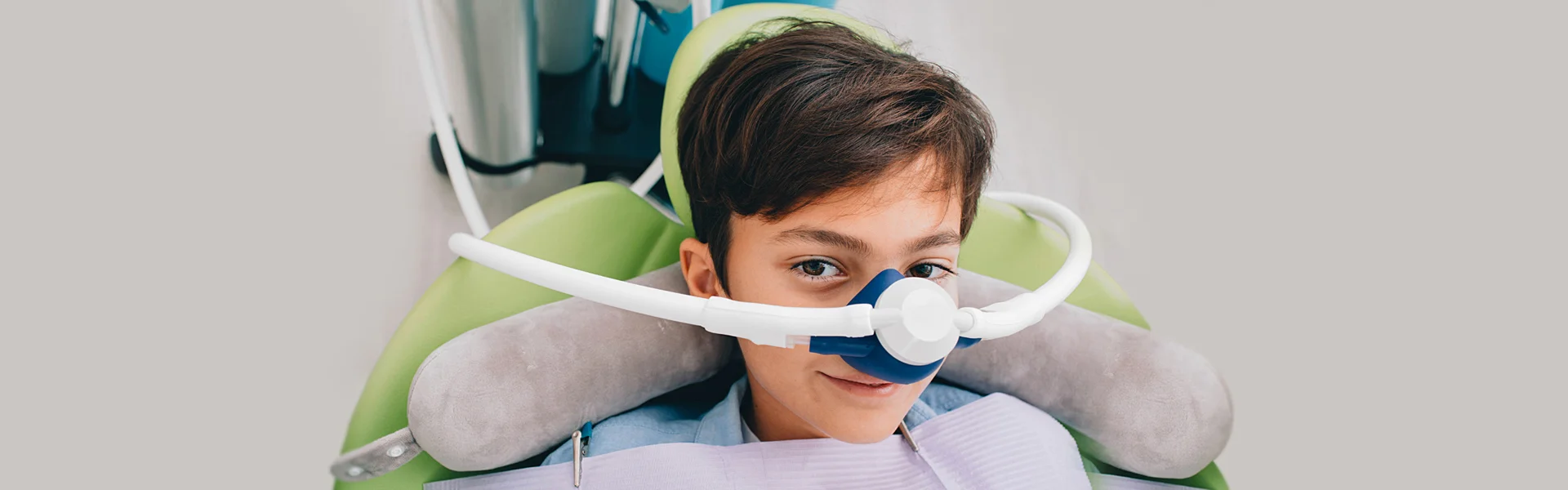
Feeling anxious about dental visits is common, especially after uncomfortable past experiences. For some patients, this anxiety leads to avoiding appointments even when symptoms like sensitivity or swelling are present. Over time, delaying care can allow small concerns to develop into more complex conditions.
In these situations, options such as sedation dentistry for anxiety may be considered as part of a treatment plan. The focus is not only on comfort but also on making sure care can be completed before problems progress further.
Why dental visits feel stressful for some patients
Dental anxiety is both emotional and physical. The body reacts to perceived discomfort by increasing heart rate, tightening muscles, and becoming more alert.
Sounds from dental instruments, pressure during treatment, or even anticipation can trigger this reaction. When this pattern repeats, dental visits may become difficult to manage. Addressing this response requires reducing both physical tension and mental stress during care.
What happens during sedation dentistry
Many patients ask how sedation dentistry works and whether they will be asleep during treatment. In most cases, sedation is used to calm the nervous system rather than cause full unconsciousness.
Medication is used to reduce awareness of discomfort and help the body relax. Patients usually remain responsive but feel less focused on the procedure. Clinically, this allows procedures to be completed with fewer interruptions while maintaining patient comfort.
After evaluating medical history, current health, and the planned procedure, the appropriate level of sedation is selected. It ensures the approach matches the patient’s needs.
Understanding safety and monitoring during sedation
Patients often want to know whether sedation dentistry is safe, especially if they have not experienced it before. Safety depends on proper screening, appropriate dosage, and continuous monitoring.
Before treatment, the dentist reviews medical history and medications to determine the most suitable approach. During the procedure, breathing, comfort, and responsiveness are observed to maintain stability throughout the visit.
Not all patients require sedation, and the decision is based on individual health and the nature of the planned treatment.
When sedation becomes a practical option
Sedation is not only used for severe anxiety. It may also be considered when sensitivity, gag reflex, or longer procedures make care difficult to manage.
Patients who have postponed visits for extended periods may need more involved procedures. In these cases, sedation helps complete care more comfortably and often in fewer visits. For individuals exploring sedation dentistry in Reno, this approach is commonly recommended when standard care feels difficult to handle.
What your visit may feel like with sedation
Before the appointment, instructions are provided based on the type of sedation being used. These may include guidance on eating, medications, or arranging transportation.
During the visit, the patient is made comfortable before treatment begins. As sedation takes effect, the body relaxes, and awareness of the procedure fades. Many patients feel that the visit passes more quickly than expected.
Patients looking for a dentist for anxiety in Reno often find that sedation changes how they experience dental care. After the procedure, recovery depends on the method used, and clear instructions are given for a safe return to normal activity.
Ways to reduce anxiety over time
Sedation is one approach to managing dental anxiety, but long-term improvement often comes from consistent and predictable care.
Clear communication during visits helps reduce uncertainty. Explaining each step, allowing pauses when needed, and creating a calm environment can gradually make appointments easier to manage. Over time, repeated positive experiences can change how patients respond to dental care.
Conclusion
Sedation is not required for every patient and is selected based on individual health and treatment needs. From a clinical standpoint, this allows treatment to be completed with fewer interruptions while maintaining comfort.
Dental anxiety can delay necessary care and allow conditions to progress. Sedation dentistry helps reduce this barrier by making treatment more manageable and less stressful.
If you experience ongoing anxiety, sensitivity, or difficulty completing dental visits, early evaluation helps guide the most appropriate approach for your care.
At Sierra Smiles, sedation is planned based on your medical history, level of anxiety, and treatment needs, helping ensure a safe and comfortable experience while supporting long-term oral health.