
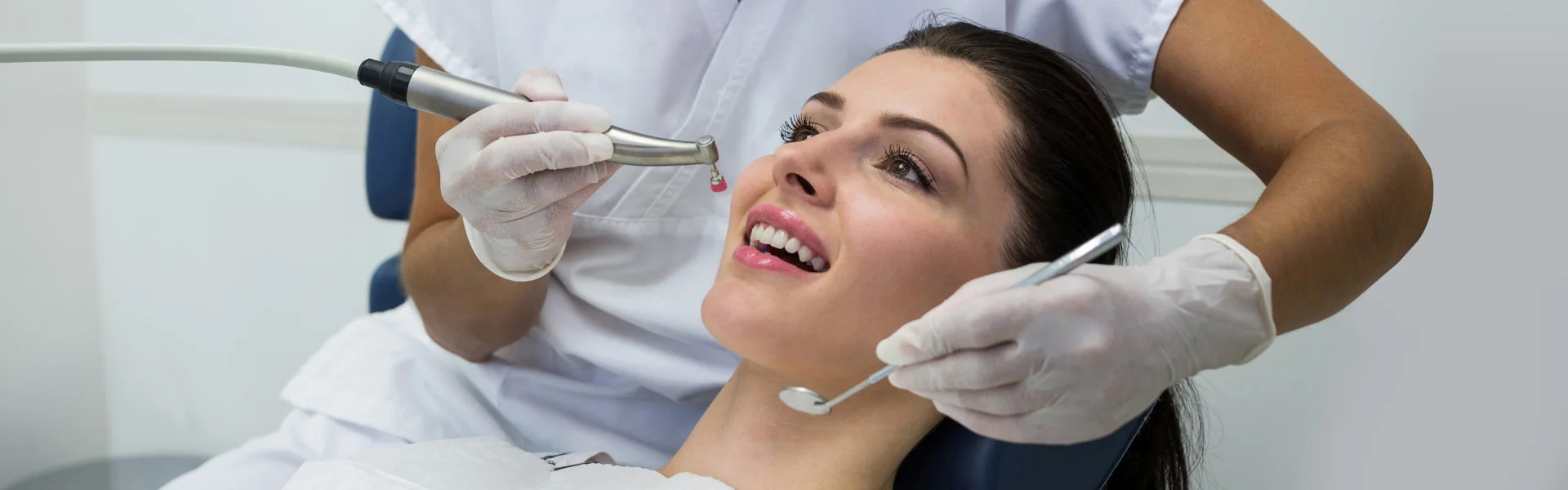
Once the tooth is removed, a blood clot develops in the area to protect the bone and support early healing. It also covers the exposed bone and nerve endings as new tissue begins to form. The early healing phase depends on maintaining the stability of the extraction site. If the clot is disturbed, healing can slow down, and complications may develop. Knowing what not to do after tooth extraction helps reduce the risk of dry socket, infection, and prolonged discomfort. These habits can delay recovery and affect how the area heals.
Why the Blood Clot Needs Protection in the First Few Days
The first 24 to 72 hours are a sensitive phase because the clot is still forming and securing in place. If it becomes dislodged, the underlying bone may be exposed, leading to dry socket and significant pain.
During this early phase, simple actions can disturb the clot, such as:
- Rinsing the mouth forcefully
- Spitting repeatedly
- Touching the area with your tongue or fingers
Proper tooth extraction aftercare involves keeping the area undisturbed so the tissue can begin closing naturally.
How Smoking or Using a Straw Can Disrupt Healing
Any activity that creates suction inside the mouth can shift the clot out of position. It includes smoking and drinking through a straw. Even small pressure changes can interfere with the healing process.
Nicotine reduces blood flow to the extraction site, which can slow tissue repair and increase the risk of infection. Smoking also increases the risk of dry socket after tooth extraction treatment.
If quitting is difficult, avoiding smoking for at least 72 hours can support better healing.
Food Choices That Can Irritate the Healing Area
During early healing, the surrounding tissue remains sensitive and more prone to irritation. Eating certain foods too soon can disturb the area or reopen the wound.
During recovery, there are specific things to avoid after tooth extraction, and softer options are easier to manage, such as:
- Foods with a hard or crunchy texture, including chips or nuts
- Very hot foods or beverages
- Sticky foods that can lodge in the area
Hot foods can increase bleeding, while rough textures may disturb the healing surface. Choosing softer foods helps protect the area during the first few days.
Why Following Aftercare Instructions Matters
Aftercare instructions are based on the type of extraction performed and how your body responds to healing. Skipping medications or ignoring these instructions can increase the risk of swelling, infection, or delayed healing.
Your dentist may recommend:
- Medications to control discomfort or prevent infection
- Gentle rinsing after the first 24 hours
- Adjustments to your regular oral hygiene routine
If inflammation is not controlled, it can delay tissue repair and increase discomfort. Proper tooth extraction aftercare supports a more predictable healing process.
When to Resume Physical Activity
Physical activity increases blood pressure and can affect clot stability. Returning to exercise too soon may cause bleeding or discomfort at the site.
Limiting physical strain for 24 to 48 hours after a tooth extraction supports early healing. Allowing the area to stabilize helps prevent bleeding and supports proper recovery.
Signs That Should Not Be Ignored
Mild discomfort is expected after an extraction, but certain changes may indicate a complication:
- Pain that becomes more severe after a few days
- A bad taste or odor in the area
- Visible bone or an empty-looking socket
- Swelling that continues to increase
If these issues develop, the area should be examined by a dentist promptly. Early evaluation can prevent the problem from worsening or becoming more painful. If needed, an emergency dentist near Damonte Ranch, Reno, can evaluate the site and provide appropriate care.
What Recovery Typically Looks Like
Healing follows a gradual process:
- First 24 hours: clot forms and stabilizes
- Days 2 to 3: early tissue repair begins
- Days 4 to 7: gum tissue starts closing over the site
- Following weeks: deeper bone healing continues
Each stage depends on protecting the area and avoiding unnecessary disturbance. This is why understanding what not to do after tooth extraction is important for proper healing.
Supporting a Smooth Recovery
Recovery depends on keeping the area protected so new tissue can form properly. Many complications occur due to improper care after the procedure rather than the extraction itself. If you experience unexpected changes or discomfort, the area should be examined by a dentist.
Proper aftercare helps control discomfort and supports steady healing. Clear aftercare guidance and careful monitoring remain important parts of patient care at Sierra Smiles.